FURNACE REPAIR
Furnace Not Heating
When the thermostat calls for heat but the house stays cold, the fault may involve ignition, power, controls, or the safety circuit.
Explore this repair
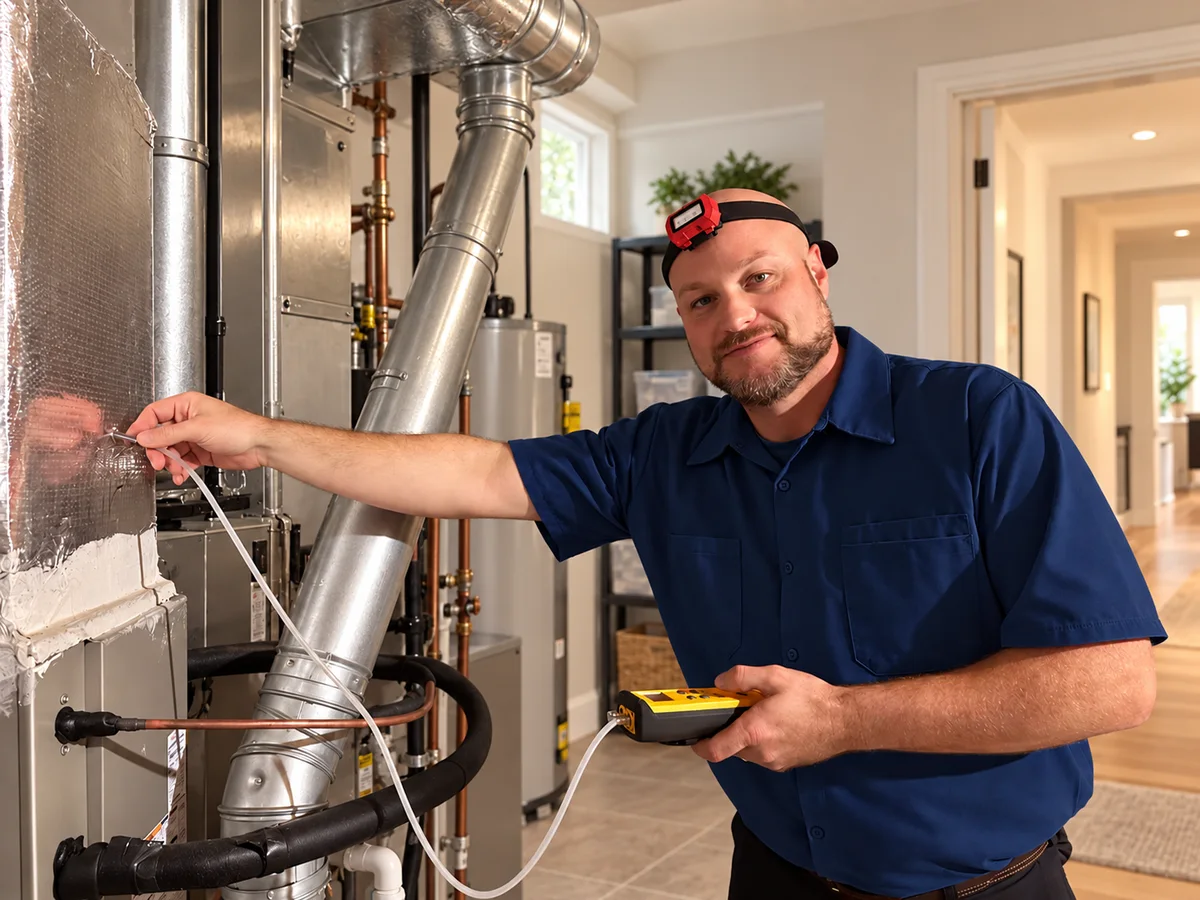
When your furnace stops working, comfort can’t wait. Get Furnace Fixed helps you take the next step for gas and electric furnace repair—from no heat and ignition faults to blower and thermostat problems.
Help for a furnace that won’t heat.
Repair support for gas & electric.
Know what happens next.
ONE SERVICE. THE RIGHT FOCUS.
From the first sign of trouble to a clearer repair plan, start with the problem you’re noticing.
When the thermostat calls for heat but the house stays cold, the fault may involve ignition, power, controls, or the safety circuit.
Explore this repairA failed igniter, dirty flame sensor, or interrupted ignition sequence can leave a gas furnace unable to establish a steady flame.
Explore this repairWeak airflow, a fan that won’t run, or a blower that keeps running may point to a motor, capacitor, control, or airflow restriction.
Explore this repairA furnace that starts and stops frequently needs a check of airflow, thermostat operation, temperature limits, and control signals.
Explore this repairUnresponsive controls and inaccurate temperatures can interrupt heating even when the furnace itself still has working components.
Explore this repairNew rattling, scraping, or squealing can indicate a loose component or worn moving part. Describe when the sound begins.
Explore this repair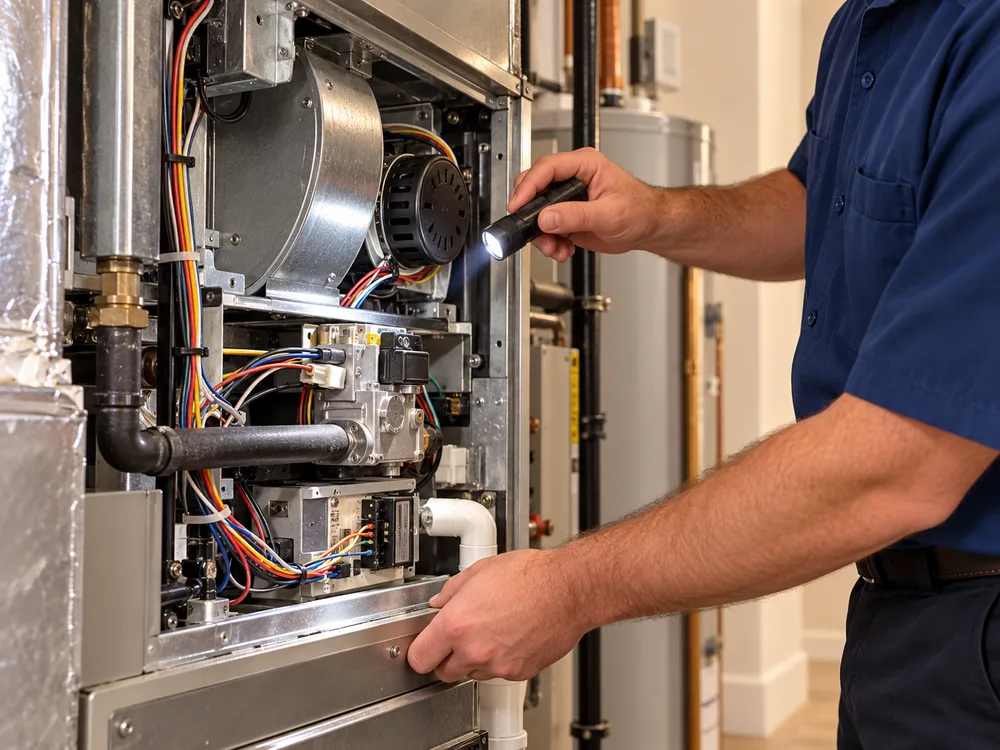
WHO WE ARE
A furnace problem can disrupt the whole day. Get Furnace Fixed helps homeowners understand common heating faults and find the right next step for furnace repair.
Our focus stays on the furnace: what’s going wrong, what a professional should inspect, and which questions to ask before authorizing work. Gas or electric, a clear diagnosis comes first.
GOOD REPAIRS START WITH GOOD QUESTIONS
A practical approach to the heating problem in front of you.
Understand the fault before deciding which parts or repairs to authorize.
Ask what failed, why it matters, and how the proposed work addresses it.
Ignition, flame sensing, and gas heating controls need careful professional assessment.
Heating elements, relays, sequencers, and electrical controls are part of the picture.
Filters, return paths, and blower operation affect how heat reaches your rooms.
The call for heat should be traced from the thermostat through the furnace controls.
Safety switches and protective controls must never be bypassed to keep a furnace running.
A model number, fault code, and symptom history can help a provider prepare.
Explain when the problem started and whether it happens every heating cycle.
Discuss access, workspace protection, and cleanup before the repair visit begins.
Ask about the diagnostic fee and get the proposed repair price before work starts.
Replacement components should suit the furnace model and manufacturer requirements.
Confirm any parts and labor warranty with the provider performing the work.
The starting point is your furnace fault and whether a repair can address it.
Ask the technician to verify the heating cycle after completing the repair.
Keep the diagnosis, work performed, and any recommended follow-up for reference.
FIND YOUR LOCATION
Explore furnace repair by state, then find your city. Local service and appointment availability are confirmed when you contact a provider.
AL · 592 cities
AZ · 461 cities
AR · 620 cities
CA · 1,591 cities
CO · 477 cities
CT · 184 cities
DE · 79 cities
DC · 1 city
FL · 943 cities
GA · 669 cities
ID · 236 cities
IL · 1,454 cities
IN · 970 cities
IA · 1,024 cities
KS · 738 cities
KY · 552 cities
LA · 489 cities
ME · 66 cities
MD · 532 cities
MA · 125 cities
MI · 740 cities
MN · 904 cities
MS · 426 cities
MO · 1,081 cities
MT · 495 cities
NE · 593 cities
NV · 132 cities
NH · 41 cities
NJ · 654 cities
NM · 515 cities
NY · 968 cities
NC · 771 cities
ND · 401 cities
OH · 1,247 cities
OK · 838 cities
OR · 424 cities
PA · 1,861 cities
RI · 31 cities
SC · 472 cities
SD · 481 cities
TN · 500 cities
TX · 1,832 cities
UT · 332 cities
VT · 107 cities
VA · 679 cities
WA · 633 cities
WV · 439 cities
WI · 792 cities
WY · 204 cities
A BETTER REPAIR EXPERIENCE
Use these priorities to guide your conversation with a furnace repair professional.
“What is causing the problem, and how did you confirm it?”
A QUESTION WORTH ASKING“What does the estimate include, and are there any other charges?”
A QUESTION WORTH ASKING“How will you verify the repair, and what warranty applies?”
A QUESTION WORTH ASKINGYOUR QUESTIONS, ANSWERED
Know what to check, what to ask, and what comes next.
Possible causes include an ignition fault, a flame-sensing problem, an airflow restriction, or a thermostat/control issue. The exact cause needs diagnosis; the same symptom can come from different components.
Check that the thermostat is set to heat and above the room temperature. Look for a blocked or very dirty filter, check that vents are open, and note any displayed error code. Do not open gas fittings or bypass safety switches.
Many faults in either type can be repaired, depending on the failed component, system condition, and availability of the correct parts. A service professional should assess the specific furnace.
The fault, replacement parts, diagnostic charge, labor, access, and appointment timing can affect the price. Ask for the diagnostic fee first and an itemized repair estimate before authorizing work.
Your city and ZIP code, furnace make and model if accessible, whether it is gas or electric, the symptoms, and any fault code are useful. Mention recent changes or previous repairs.
No. Appointment availability and job suitability must be confirmed with the participating provider. A location page is not a booking confirmation.
Start with the symptoms. Get clarity on your next step toward a warmer home.
Call (844) 985-4255